




Hi there! How can we help you today?
How to Choose Right Butterfly Valve | Dhyami Industrial Solutions
-
Home
-
Product Guides
-
How to Choose the Right Butterfly Valve for Your Industrial Application

How to Choose the Right Butterfly Valve for Your Industrial Application
A practical guide to selecting butterfly valves — types, materials, actuation options, and key factors engineers must check before purchase.
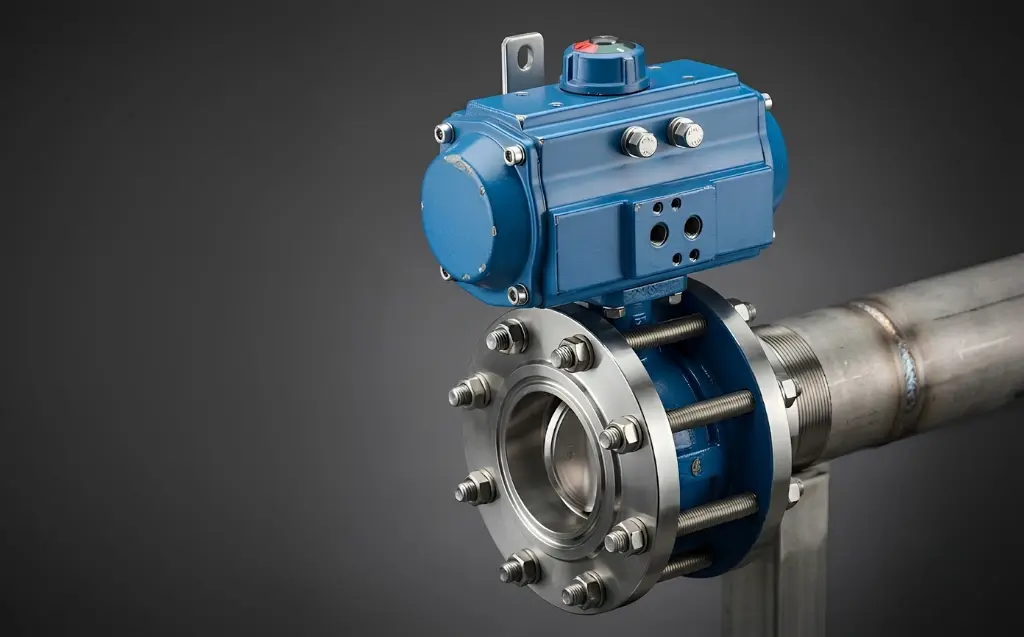
🔧 How to Choose the Right Butterfly Valve for Your Industrial Application
Butterfly valves are one of the most widely used flow control components across industries — but picking the wrong type can cost you downtime, leaks, or premature failure. Here's a complete, practical breakdown to help you choose right the first time.
🌍 Why Butterfly Valves Are So Widely Used
Compared to gate or globe valves, butterfly valves are lightweight, compact, cost-effective, and offer quick quarter-turn operation. They're used across water treatment, HVAC, chemical, food & beverage, oil & gas, and power plants — anywhere reliable on/off or throttling control is needed in a smaller footprint.
1️⃣ Understand the Valve Types
Butterfly valves come in three main operation modes:
- ➡️ Manual (Lever/Gear operated): Best for low-frequency on/off applications where budget matters most.
- ➡️ Pneumatic actuated: Ideal for fast, automated open-close cycles in process lines requiring quick response.
- ➡️ Electrical actuated: Suited for remote control, SCADA-integrated systems, and unmanned facilities.
2️⃣ Check the Body & Disc Material
Material choice depends on the fluid, temperature, and pressure rating:
| Material | Best For |
|---|---|
| Cast Iron / Ductile Iron | Water, low-pressure general use |
| Stainless Steel (SS304/316) | Corrosive fluids, chemical plants |
| Carbon Steel | High-pressure oil & gas lines |
| Aluminium Bronze | Seawater, marine applications |
3️⃣ Match Pressure & Temperature Rating
⚠️ Always confirm the valve's PN/Class rating against your system's maximum operating pressure and temperature — undersizing here is the #1 cause of early valve failure. Standard PN10/PN16 valves suit most water and utility lines, while PN25 and above are needed for high-pressure steam, thermic fluid, or oil & gas service.
4️⃣ Consider End Connection Type
- ✅ Wafer type — compact, cost-effective, sits between flanges, no bolt holes.
- ✅ Lug type — allows dead-end service, easier maintenance without disturbing full pipeline.
- ✅ Flanged type — heavy-duty, high-pressure pipelines, easier alignment and sealing.
5️⃣ Seat Material — Don't Overlook This
The seat is what actually creates the seal — and it wears differently based on fluid:
- 🔹 EPDM: Excellent for water, mild chemicals, and outdoor/weather exposure.
- 🔹 NBR (Nitrile): Good for oils, fuels, and petroleum-based fluids.
- 🔹 PTFE: Best for aggressive chemicals, high temperature, and food-grade applications.
- 🔹 Viton: Ideal for high-temperature and oxidizing chemical environments.
6️⃣ Don't Forget Actuation Speed & Control Needs
If your process needs frequent, fast switching — go pneumatic. If it's remote or automated monitoring — go electrical. For occasional manual shutoff — gear operated is enough and cost-saving. Also consider fail-safe requirements: spring-return pneumatic actuators default to open or closed position during power/air loss, which is critical for safety-critical lines.
7️⃣ Common Mistakes to Avoid
- ❌ Choosing valve size same as pipe size without checking flow velocity requirements.
- ❌ Ignoring seat compatibility with fluid chemistry, leading to premature leakage.
- ❌ Using wafer type where dead-end isolation is actually required — lug type needed instead.
- ❌ Underrating actuator torque for high-pressure or high-viscosity applications.
8️⃣ Maintenance Tips for Longer Valve Life
- 🛠️ Exercise manual valves periodically even if rarely used — prevents seat sticking.
- 🛠️ Inspect actuator air/electrical connections quarterly for automated valves.
- 🛠️ Check seat and disc for wear annually in abrasive or high-cycle applications.
- 🛠️ Keep spare seat kits on hand for critical process lines to minimize downtime.
💡 Quick Tip: Always consult your application's fluid compatibility chart before finalizing seat material — a wrong seat choice leads to leakage even with the right valve body.
Final Checklist ✅
- ☑️ Fluid type & corrosiveness
- ☑️ Operating pressure & temperature
- ☑️ Actuation requirement (manual/pneumatic/electrical)
- ☑️ End connection type (wafer/lug/flanged)
- ☑️ Seat & body material compatibility
- ☑️ Fail-safe / spring-return need for critical lines
- ☑️ Maintenance & spare parts availability
Need help selecting the right valve for your plant? Dhyami Industrial Solutions offers a full range of manual, pneumatic, and electrical butterfly valves — engineered for reliability and built to spec.
Tags:
butterfly valve flow control valve selection industrial valves pneumatic actuatorShare this post:
Related Posts
Product Guides Centrifugal vs Submersible Pump: Which One Fits Your Application?
A detailed comparison of centrifugal and submersible pumps — working principle, use cases, pros, con...